
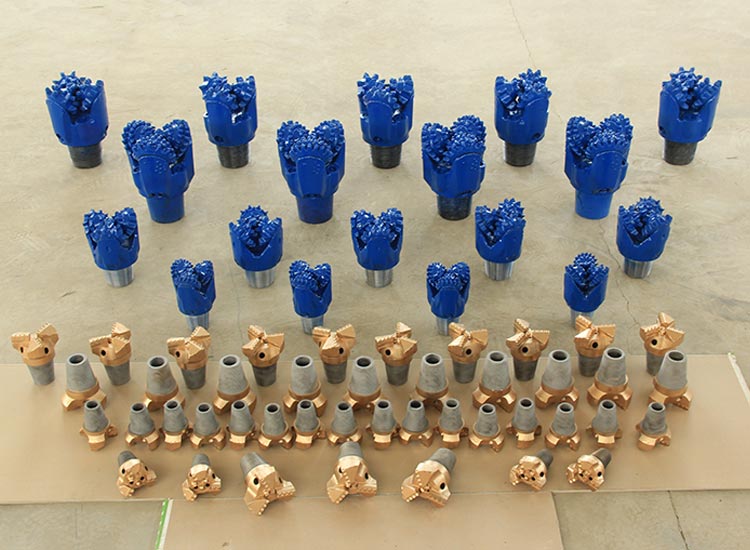
When buyers choose a tricone bit, they usually ask practical questions first.
What size do you have?
What is the IADC code?
Can it drill hard rock?
How long can it work?
What is the price?
These questions are important. But in real drilling projects, one thing is often more important than the purchase price of the bit:
Can the tricone bit keep stable performance while reducing drilling cost per meter?
A bit that drills fast but wears too early is not efficient.
A bit that lasts long but drills too slowly may also increase project cost.
That is why Far Eastern’s next-generation tricone bit focuses on both efficiency and durability. It is designed for modern drilling projects where operators need faster penetration, better wear resistance, longer service life, and fewer tool changes in demanding formations.
Fast Drilling Is Useful Only When The Bit Can Last
Many drilling buyers want a faster bit.
That makes sense. Higher penetration rate can help shorten drilling time and improve project progress.
But speed alone is not enough.
If the bit wears quickly, loses gauge, damages bearings, or fails before reaching the expected depth, the operator may lose more time on tool replacement than they gained from fast drilling.
In real drilling work, tricone bit performance affects:
- Penetration rate
- Bit life
- Rig downtime
- Drilling cost per meter
- Hole quality
- Tool replacement frequency
- Operator confidence
- Project schedule
So the better question is not only:
“Is this tricone bit fast?”
The better question is:
“Can this tricone bit drill efficiently and stay reliable in my formation?”
Start With The Drilling Challenge, Not Only The Product Name
A tricone bit is not chosen by name alone.
Different formations create different problems.
Before choosing a next-generation tricone bit, buyers should confirm:
- Is the formation soft, medium, hard, or abrasive?
- Is the drilling project for oil and gas, mining, water well, geothermal, HDD, or construction?
- What is the required hole size?
- What is the expected drilling depth?
- What drilling rig will be used?
- Is the work done with mud, air, or foam?
- What was the failure mode of the previous bit?
- Is the priority faster penetration or longer working life?
The same tricone bit may behave differently in different ground conditions.
A bit that performs well in medium rock may not be the best option for highly abrasive formations. A bit designed for long service life may not always deliver the fastest penetration in soft strata.
This is why Far Eastern focuses on matching bit design with real drilling conditions.
A Common Problem: The Bit Looks Correct, But Performance Drops Early
A typical case looks like this.
The buyer selects the right size.
The thread connection is correct.
The appearance looks strong.
The price looks competitive.
But after drilling starts, problems appear.
The penetration rate slows down.
The inserts wear faster than expected.
The bearing system becomes unstable.
The bit needs to be replaced earlier than planned.
The drilling cost per meter becomes higher.
In many cases, the problem is not simply “bad rock.” It may be caused by unsuitable cutting structure, weak wear resistance, poor bearing protection, or a mismatch between the bit and formation.
A next-generation tricone bit should be designed to reduce these risks.
What Looks Fine Before Drilling And What Appears Later
| Before buying | What may appear during drilling |
|---|---|
| “The bit size is correct” | The cutting structure may not match the formation |
| “The bit looks heavy-duty” | Bearing life may still be too short |
| “The price is attractive” | Early replacement increases cost per meter |
| “The formation is not too hard” | Abrasive layers may quickly damage inserts |
| “The bit can drill many applications” | Real performance depends on correct selection |
| “The supplier has stock” | Stock availability does not always mean best match |
This is why technical confirmation should happen before shipping.
Not after the bit has already reached the drilling site.
Optimized Cutting Structure Improves Penetration
The cutting structure is one of the most important parts of a tricone bit.
It directly affects how the bit breaks rock, clears cuttings, and maintains drilling speed.
Far Eastern’s next-generation tricone bit uses optimized cutting structure design to improve formation contact and drilling efficiency. For suitable formations, this can help operators achieve more stable penetration and reduce unnecessary energy loss during drilling.
For buyers, this means the bit should not only look strong. It should cut effectively in the actual rock condition.
Enhanced Bearing System Supports Longer Service Life
The bearing system is another key factor.
A tricone bit works under heavy load, vibration, rotation, and underground pressure. If the bearing system is not reliable, bit life can become unpredictable.
Enhanced bearing design helps improve stability and reduce premature failure risk.
For long drilling intervals, deep holes, and difficult formations, bearing performance may decide whether the project runs smoothly or stops for another bit change.
That is why durability must be engineered into the bit, not added as a marketing claim.
Wear Resistance Matters In Hard And Abrasive Formations
Hard and abrasive formations are especially demanding.
The bit must resist insert wear, gauge wear, and body damage while keeping drilling performance as stable as possible.
In these conditions, buyers should pay attention to:
- Carbide insert quality
- Gauge protection
- Bearing type
- Seal performance
- Bit body strength
- Formation adaptability
- Previous bit wear photos
- Recommended drilling parameters
If the bit loses cutting efficiency too early, the rig may continue drilling but with lower performance. This hidden loss can be expensive because the project consumes more time, fuel, labor, and equipment hours.
Different Applications Need Different Tricone Bit Solutions
A next-generation tricone bit should not be limited to one application.
Far Eastern designs and supplies drilling tools for a wide range of projects, including:
- Oil and gas exploration
- Water well drilling
- Mining operations
- Geothermal drilling
- HDD pipeline projects
- Infrastructure construction
- Foundation drilling
Each application has different priorities.
Water well drilling often needs practical cost performance and stable supply.
Mining may require strong wear resistance.
Oil and gas drilling may require stricter technical confirmation.
HDD and construction projects may need matched tools such as rock reamers, hole openers, or roller cutters.
This is why a complete drilling tool supplier can support buyers better than a simple product seller.
Quality Control Is Part Of Real Performance
A tricone bit performs underground, where failure is expensive.
Strict quality control is therefore not optional.
Far Eastern emphasizes inspection during the manufacturing process to help ensure stable performance in real drilling conditions. Key quality points include material selection, machining accuracy, bearing performance, sealing reliability, hardness, and wear resistance.
For overseas buyers, consistent quality is especially important because replacement delays can affect the whole project schedule.
A reliable factory should help reduce uncertainty before the bit leaves the factory.
Customization Helps Match Special Project Requirements
Not every project can use a standard recommendation.
Some drilling jobs need special sizes, special connection types, specific IADC codes, customized structures, or OEM/ODM support.
Far Eastern offers customization options for global buyers who need drilling tools matched to their actual project conditions.
Before customization, buyers should provide as much drilling information as possible. The more accurate the working condition, the more practical the bit recommendation can be.
Ask These Questions Before Choosing A Tricone Bit
| Question | Why it matters |
|---|---|
| What formation will the bit drill? | Formation decides cutting structure and IADC selection |
| Is speed or durability more important? | Different projects need different performance balance |
| What is the expected drilling depth? | Longer drilling intervals need stronger reliability |
| What drilling rig is used? | Rig capacity affects bit selection and parameters |
| What circulation method is used? | Mud, air, and foam conditions can affect performance |
| What happened to the previous bit? | Wear photos help diagnose selection problems |
| Is the project hard rock or abrasive rock? | Wear resistance and gauge protection become critical |
| Does the supplier provide technical support? | Correct selection reduces failure risk before shipment |
What Information Should You Send To Far Eastern?
For a more accurate tricone bit recommendation, send:
- Required bit size
- IADC code if known
- Thread connection
- Drilling application
- Formation description
- Drilling depth
- Rig model
- Circulation method
- Photos of the drilling site if available
- Photos of used bits if available
- Main problem with previous bits
- Required quantity
- Delivery schedule
Used bit photos are especially helpful. Insert wear, gauge wear, and bearing failure signs can tell a lot about whether the previous bit matched the formation.
You can also review Far Eastern’s product categories, including TCI tricone bits, steel/milled tooth tricone bits, PDC drill bits, and HDD rock reamers/hole openers.
Conclusion
A next-generation tricone bit should not only drill faster.
It should help operators drill more consistently, reduce downtime, extend service life, and lower drilling cost per meter.
Far Eastern’s upgraded tricone bit design focuses on optimized cutting structure, enhanced bearing support, improved wear resistance, strict quality control, and adaptability across multiple drilling applications.
If your project involves rock drilling, water well drilling, mining, oil and gas, geothermal, HDD, or infrastructure construction, send Far Eastern your formation details, bit size, drilling method, and project requirements. We will help you check a suitable tricone bit solution before order.